 Texas Rangers
· 2026-07-08
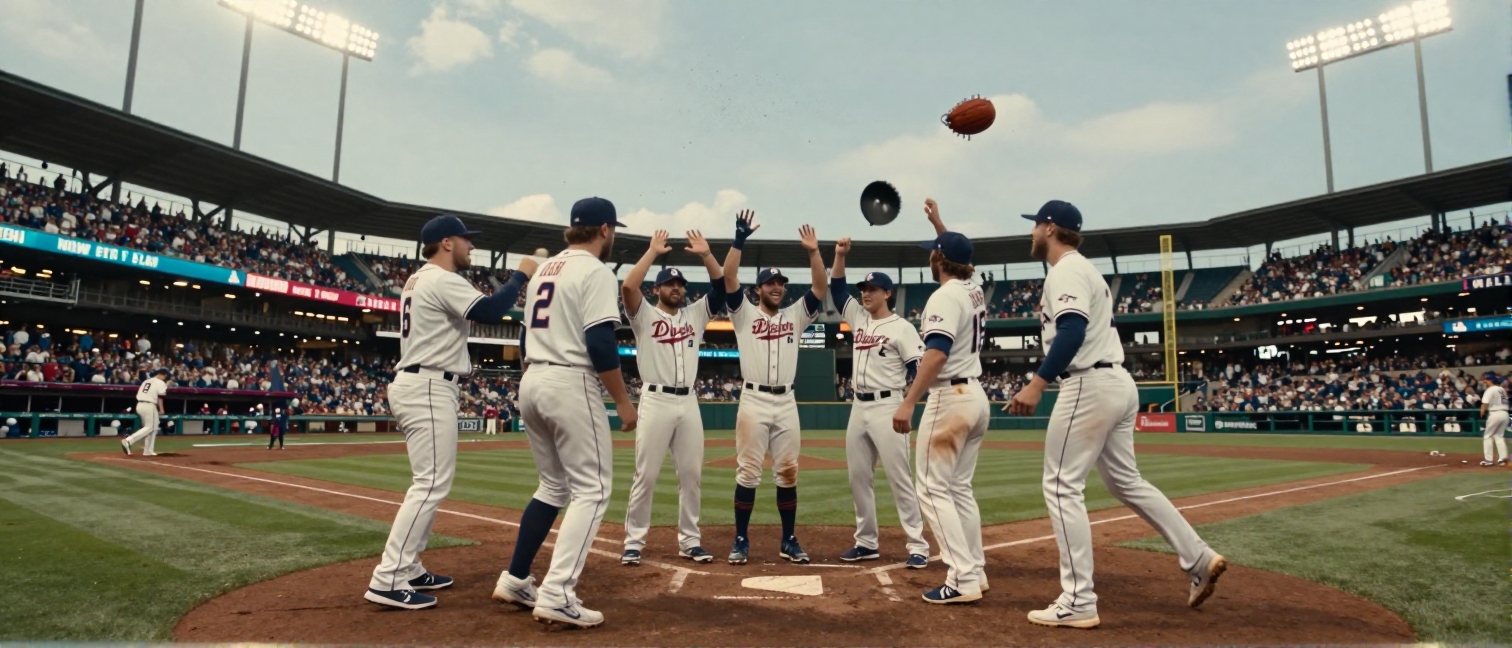
Texas Rangers entered the July 8, 2026 matchup with a pressing need for starting‑pitcher depth, and they answered by beating the Los Angeles Angels 8-3, improving to 46-45 and sitting sixth in the American League on a one‑game winning streak.
The Rangers’ rotation has struggled to consistently go deep into games. Nathan Eovaldi’s 4.89 ERA and a bullpen that has blown three saves in the last ten outings illustrate a lack of reliable innings. Without a dependable ace, the team leans heavily on the bullpen, which inflates fatigue and limits late‑inning options. Scouting reports suggest that a high‑velocity right‑hander with a solid secondary pitch could plug this gap.
With the trade deadline looming, Arlington cannot afford to chase veteran contracts that would hamper future flexibility. Drafting a frontline starter offers cost‑controlled talent that can develop alongside core hitters like Joey Gallo and Evan Coulombe. The Rangers’ farm system already boasts a promising left‑handed reliever, but a right‑handed starter would balance the rotation and give manager Chris Woodward more strategic choices.
Analysts point to a pitcher who can throw 95+ mph, maintain a strike‑out rate above 9.0 K/9, and keep walks under 3.0 BB/9. A durable workhorse who can log six or more innings per start would relieve the bullpen and improve the team’s overall ERA. The draft class this year includes several college arms with proven command and a track record of success against high‑level competition.
If Arlington selects a starter who can contribute at the major‑league level within a year, the Rangers could see a noticeable dip in runs allowed, potentially turning a .500 record into a playoff push. Even a prospect who starts in Triple‑A could be called up to spot‑start, giving Woodward a fresh look in the rotation. The immediate benefit may be modest, but the long‑term upside aligns with the franchise’s rebuild timeline.
Failing to address the rotation could force the Rangers into a revolving door of short‑term signings, draining payroll and limiting future flexibility. The bullpen would remain overtaxed, increasing the likelihood of blown saves and late‑inning losses. In a competitive AL West, every run saved matters, and a weak rotation could keep the Rangers stuck in the middle of the pack.
The Rangers’ front office knows the clock is ticking. With the draft just days away, the decision will shape the team’s trajectory for years to come.